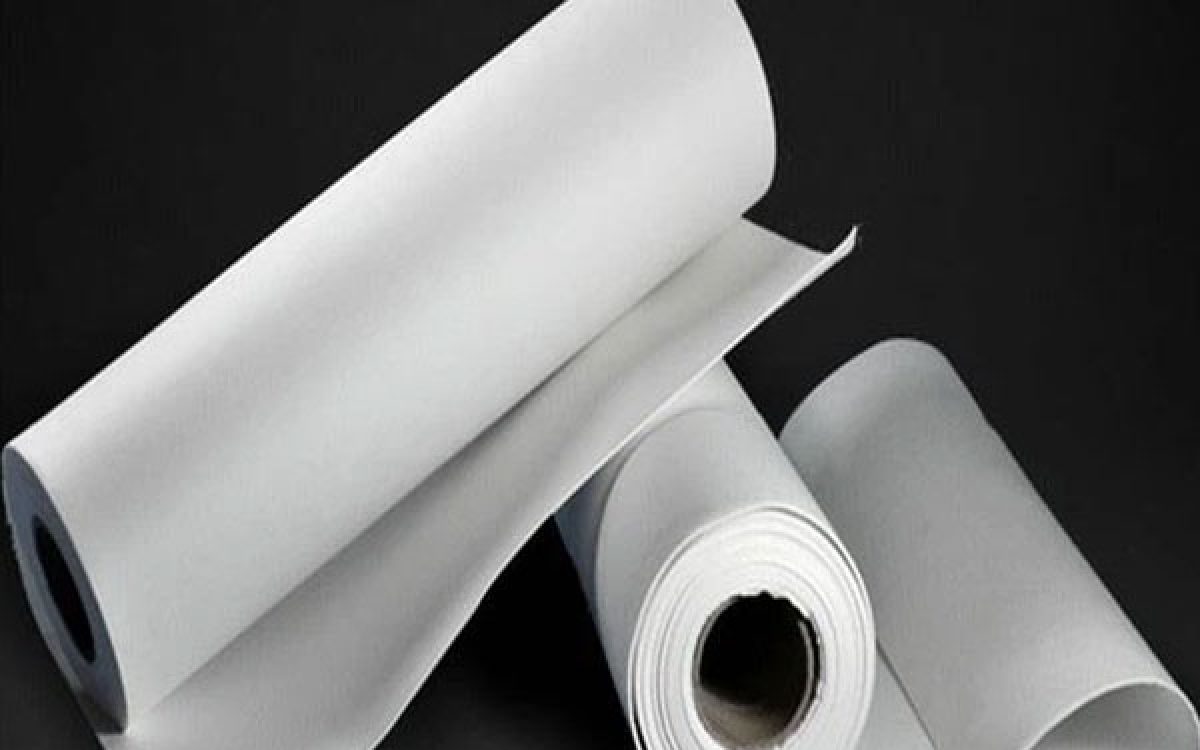
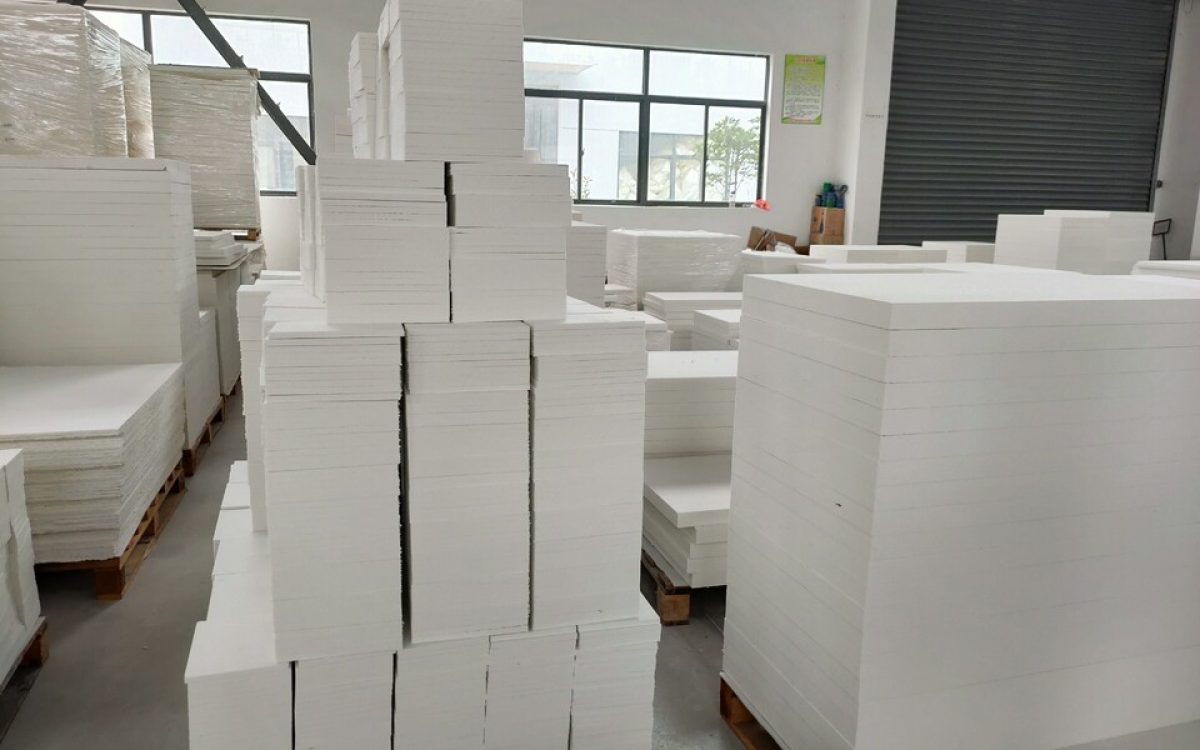
Are you planning an insulation project in a high-temperature environment? Choosing the right ceramic fibers is essential for effective heat preservation and insulation. These versatile materials find widespread applications in metallurgy, machinery, electronics, ceramics, glass, chemicals, automobiles, building materials, light industry, military, shipbuilding, aerospace, and other fields. With a wide range of ceramic fiber products available, including blankets, felts, boards, paper, cloth, belts, ropes, pipes, tiles, modules, special-shaped parts, plastics, spray coatings, smears, and castable, finding the perfect fit for your project is vital.
Characteristics of Ceramic Fiber:
Low Thermal Conductivity: Ceramic fibers boast low thermal conductivity, making them ideal for efficient heat insulation.
Low Density: With their lightweight nature, ceramic fibers offer easy handling and application.
Low Heat Capacity: The low heat capacity of ceramic fibers allows for quick response to temperature changes.
Good Processing Performance: These fibers are soft and easy to cut, ensuring seamless processing with strong continuity.
Sound-Absorbing Performance: Ceramic fibers possess excellent sound-absorbing properties, making them suitable for high-temperature sound absorption.
Chemical Stability: With exceptional chemical stability, ceramic fibers are highly resistant to corrosion, except in the presence of strong alkali, fluorine, and phosphate.
Good Thermal Shock Resistance: Ceramic fibers can withstand sudden temperature changes without damage.
Insulation Performance: Enjoy excellent insulation performance, with volume resistivity of approximately 1×10¹³Ω·cm at room temperature and 6×10⁸Ω·cm at 800°C.
Reflectivity to Light Waves: Ceramic fibers exhibit high reflectivity to light waves within wavelengths of 1.8~6.0 μm.